
Finance teams comparing ERP platforms typically miss 40–60% of real costs. This breakdown shows where SAP and open-source alternatives diverge financially—from licensing escalation to implementation timelines to the recurring operational overhead that compounds over five years.
Author: Onfinity Blog
Learn how modern ERP systems automate asset depreciation calculations, accounting entries, and register updates to reduce errors and eliminate spreadsheet reconciliation for finance teams.
SAP’s headline licensing cost masks implementation fees, infrastructure expenses, and customization debt that compounds annually. This framework maps realistic 7-year costs across both platforms so your finance team can compare total spend, not just year-one contracts.
Both are open source ERPs with a free edition and paid editions. What is inside each, what you pay for, and three questions that decide which one fits an Indian company.
Tally keeps the accounts well. But stock in Excel, production on WhatsApp and three company files mean manual work. Five signs it is time for an ERP, and how the move goes, step by step.
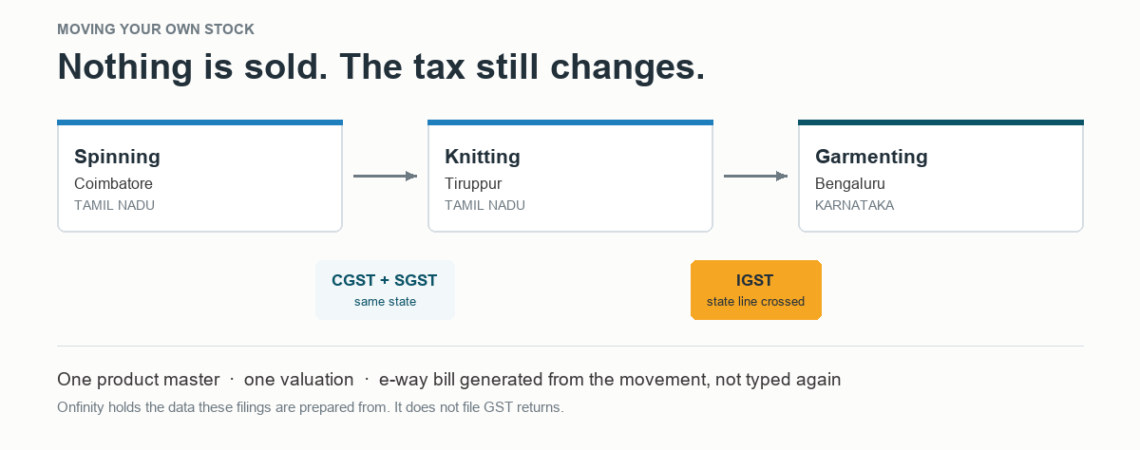
Spinning in one state, garmenting in another. The greige never changes hands, but the movement between them is taxed, documented and reconciled like a sale.
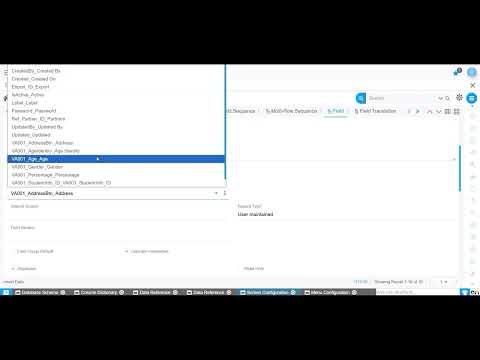
Finance teams still rely on check payments for many vendor relationships. Learn how Onfinity ERP connects payment vouchers, check printing, and bank reconciliation in one unified workflow.
Learn how folder deletion works in Onfinity ERP’s document management system. Understand permission controls, bulk removal safeguards, and how to maintain clean document structures without compromising compliance or audit trails.
Finance teams budgeting ERP decisions rarely see the full cost picture until year three. This breakdown maps licensing escalation, implementation overruns, and cumulative upgrade cycles across both platforms—so you can model actual five-year spend instead of vendor promises.
Enterprise finance leaders routinely underestimate ERP costs by focusing on license price. This analysis breaks down where SAP spending actually occurs—implementation consulting (2-3x license cost), customization debt, infrastructure, and dedicated operations staff—and shows how platform architecture choices determine whether you’re locked into escalating costs or maintaining financial flexibility.
When customers or vendors request revised payment terms after an invoice is issued, finance teams often face workarounds involving cancellations or manual entries. Onfinity ERP eliminates this friction by allowing direct schedule modifications through a single payment form—preserving transaction integrity while accommodating changing business needs.

Nobody decides to cost a job wrongly. It drifts, a little at a time, until the quotation is last year’s rate plus a percentage and nobody can say why.
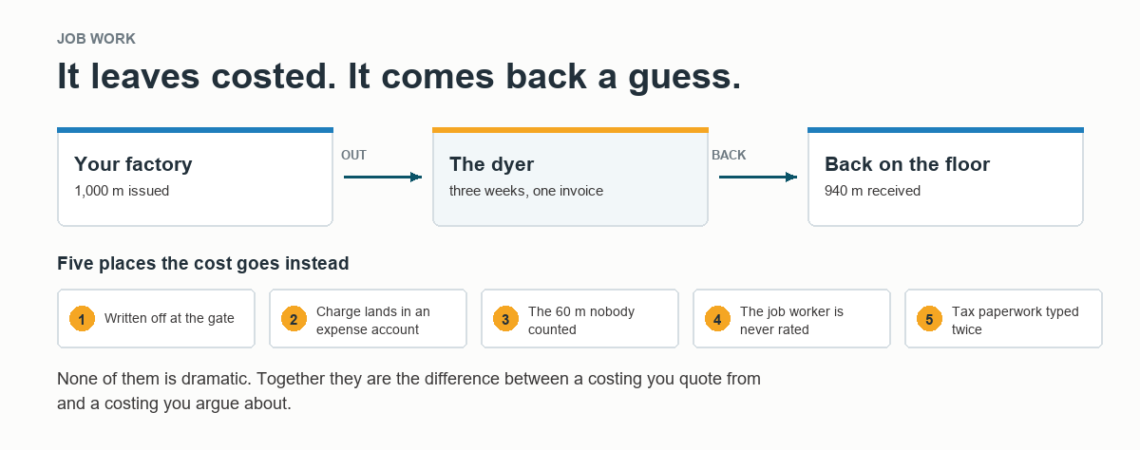
Fabric leaves for dyeing, panels leave for printing, and the cost of that trip rarely finds its way back onto the part. Five places it goes, and what it costs you to not know.
Finance teams often face requests to modify payment terms after invoices are posted. Onfinity ERP enables schedule splitting without reversals, maintaining audit integrity while accommodating real-world payment changes.
Finance teams often face customer or vendor requests to modify payment terms after invoices are completed. Onfinity ERP enables schedule splitting directly through the payment form, eliminating the need for transaction reversals or manual workarounds.
Finance teams often face customer or vendor requests to change payment terms after invoices are already posted. Onfinity ERP’s payment form lets you split existing schedules into multiple installments without reversing completed transactions or creating manual workarounds.
Finance teams processing hundreds of invoices each month face repetitive manual work that slows cash flow and increases errors. Rule-based payment batch scheduling in Onfinity ERP groups invoices, orders, and journal entries automatically using predefined criteria—eliminating manual selection while maintaining full visibility and control.
Most HR teams still juggle employee data across spreadsheets, shared drives, and disconnected tools. See how Onfinity ERP consolidates employee onboarding, document handling, and personal information into one unified workflow that reduces manual entry and improves accuracy.

Organizations managing employee capabilities across disconnected spreadsheets face visibility gaps in performance assessment and succession planning. A structured competency management framework in Onfinity ERP aligns technical and behavioral skills with measurable proficiency levels, enabling data-informed talent decisions.
ERP dashboards often force users to navigate multiple screens to find critical information. Dynamic dashboard widgets in Onfinity ERP surface real-time data tailored to each role, reducing clicks and accelerating daily workflows.