Category: Technologies


Embarking on a digital transformation in supply chain is a challenging journey. It is an expensive, time consuming and labor intensive process. However, once you make the transition to a modern, robust, flexible and efficient ERP system, you will realize Read more…


The entire education sector – from primary education to doctoral studies has been greatly impacted by the Covid-19 pandemic. The ones that turned to large-scale digital transformation have thrived, while those that did not adapt have struggled to perform. One Read more…


The pandemic has, in several ways, stress-tested the healthcare sector. Many healthcare institutions were overwhelmed by the sheer scale of distress on their staff and infrastructure. Institutions that were able to support patients in such difficult times had one thing Read more…


From MRP in the 1960s to MRP II, ERP and the open source ERP of the 2000s: what each generation added, and what an enterprise open source ERP looks like today.


Organizations are increasingly making the migration to cloud as a core part of their digital transformation initiatives. As the enterprise digital core, the transition of the ERP application to the cloud poses far more challenges to organizations than do applications Read more…


As a software company, if you sell to businesses, chances are that your users deal with documents and files in using your application. This is more pronounced in specific segments such as legal, financial services and other documentation-intensive sectors that Read more…


Digitalization brings about a whole new range of possibilities which allows you to master current and future challenges in the industry. In this regard, the manufacturing industry is no different. In spite of the challenges faced by the industry at Read more…


Digital transformation starts at the ERP: why the emerging technologies need a unified core, what business intelligence and scalability depend on, and what the pandemic changed.


Remember when you had to walk into a realtors office and sift through physical marketing materials to find a suitable property of your choice? The Millennials and Generation X will know what we are talking about, but Generation Z works Read more…


Traditionally, the public sector has been reliant on laborious, antiquated means of governance, most of which have acted as brakes to adoption of digitization across the sector. COVID-19 however changed all of that. Within months, governments had to explore ways Read more…


Where digital transformation pays in oil and gas, upstream and downstream: the digital thread from well to pump, Manufacturing 4.0 in the refinery, and what the ERP underneath has to provide.


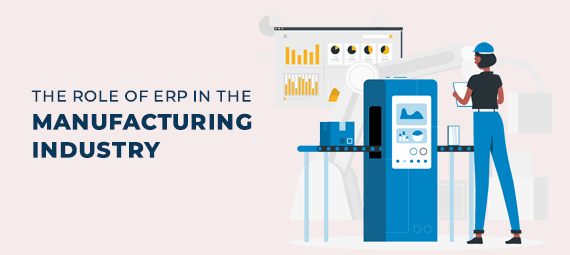
What a manufacturer gets from its ERP: real-time information from the shop floor, lower cost and higher output, plant operations under control, and the flexibility to act while there is still time.


We have come a long way since the first industrial revolution when water and steam power was used to mechanize production. Subsequent breakthroughs of electric power and the rise of electronics and Information Technology (IT) paved the way for the Read more…


Three costs of staying inside the SAP ecosystem: the price of every change, the loss of choice, and projects that run for years, with the case for an enterprise open source ERP instead.


SAP projects have struggled with their implementation success rate and SAP has seen some large clients pull the plug on their implementations citing a host of reasons. What could possibly be the reason for their failure though? Wouldn’t it be Read more…


Revlon, Haribo, LeasePlan, Lidl and National Grid: what went wrong in five SAP programmes, the lessons that apply to any ERP implementation, and the choices before the 2027 deadline.


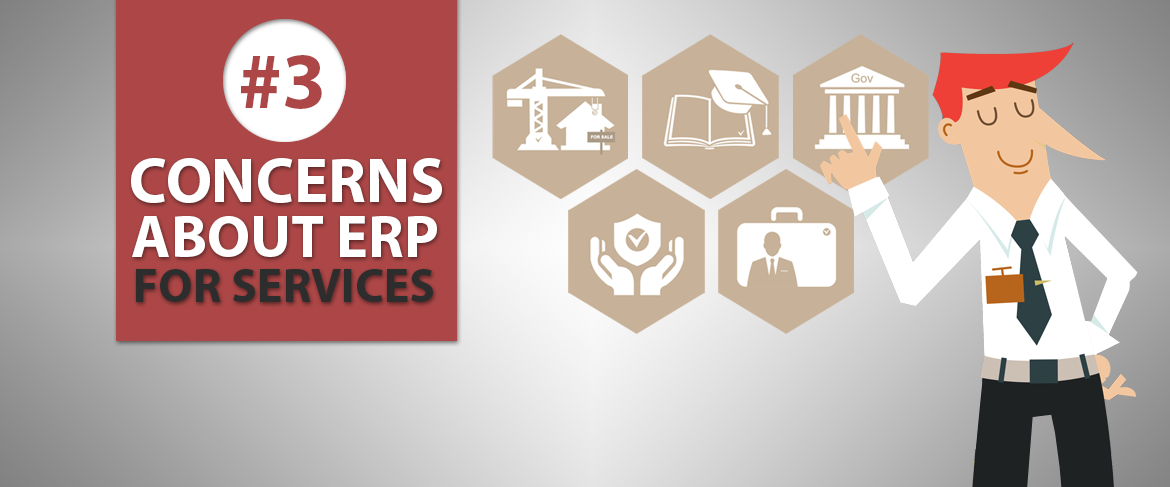
The importance of an ERP for services is often underestimated besides the fact that more than three out of four jobs (77.2%) in the U.S. economy are in the service sector. According to the department of professional employees, by 2018, Read more…


From database marketing and call centres in the 1980s to cloud, social and mobile CRM: the stages CRM software went through, and what each one added.


A WMS runs the warehouse in real time; an ERP runs the business and may contain one. What each system does, the minimum a WMS must offer, and how to choose between them.


MRP plans materials; ERP runs the whole business and usually contains an MRP. Where the two came from, what each one does, and how a manufacturer decides which it needs.