
Textile production costs stay fragmented across spreadsheets and manual handoffs until month-end—creating variance, delaying close cycles, and hiding margin drift. An integrated ERP for textiles captures production movements and cost allocations in real time, so finance teams move from reconciliation mode to decision mode.
Fashion retailers juggling multiple locations, seasonal swings, and fragmented systems lose visibility into actual inventory levels, tying up cash and missing sales. A structured ERP centralises stock data across stores and warehouse, automates transfers and cycle counts, and connects purchasing to financial close—eliminating the spreadsheets and email delays that currently consume hours of operational work.
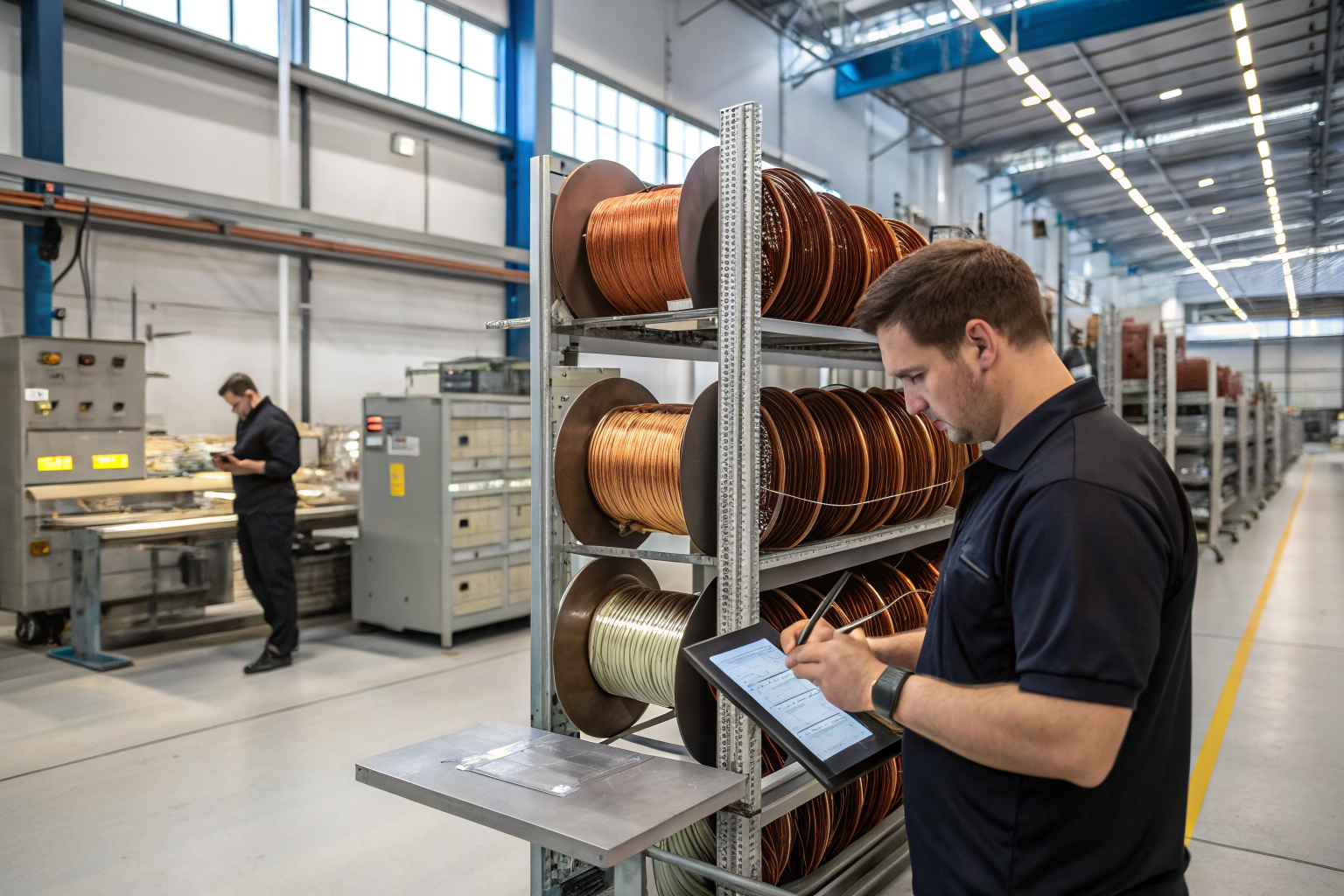
Cable manufacturers lose visibility when production, inventory, and finance operate in separate systems. An integrated ERP workflow captures material consumption, batch codes, and job costs in a single transaction, eliminating week-end reconciliation scrambles and building the operational clarity that drives faster decisions.
Textile production costs scatter across spreadsheets and disconnected systems, hiding margin leaks until month-end. Unified batch tracking in an ERP system captures actual labour, material, and overhead costs in real time—linking quality issues, rework, and compliance directly to batch records so finance sees true profitability immediately.
Finance teams often struggle with rigid report templates that don’t reflect how organizations track performance across departments, projects, or product lines. Onfinity ERP’s configurable financial reporting framework connects directly to your chart of accounts and dimensional structure, enabling flexible period comparisons and filtered analysis without manual consolidation.
Finance teams waste hours reconciling vendor checks across disconnected screens. Modern ERP payment forms consolidate invoice selection, check printing, and allocation into a single workflow that updates balances in real time.
Residential service companies lose visibility when tracking lives in separate GPS apps instead of core workflows. Real-time tracking that connects dispatch, field operations, and finance eliminates two-hour arrival windows, manual billing reconciliation, and customer frustration—but only when it’s integrated into how you actually work.
Most residential service businesses still coordinate technicians through phone calls and guesswork. Real-time tracking eliminates that friction—but only when it feeds into dispatch, scheduling, and invoicing decisions. Learn how to implement tracking that operations teams actually adopt.