Author: bloguser


Enterprise ERP vendors lock you into escalating costs and inflexible workflows. Open source ERP returns control over your GL structure, integrations, and upgrade timing—with realistic implementation timelines and 30–50% lower TCO when chosen carefully.


Most finance teams inherit accounting software built around vendor pricing and release schedules. Open source accounting platforms offer transparent GL logic, integration without custom middleware, and cost structures that scale with use—but only if you own the technical responsibility for deployment and maintenance.


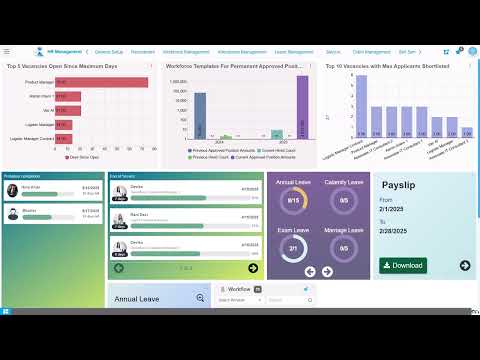
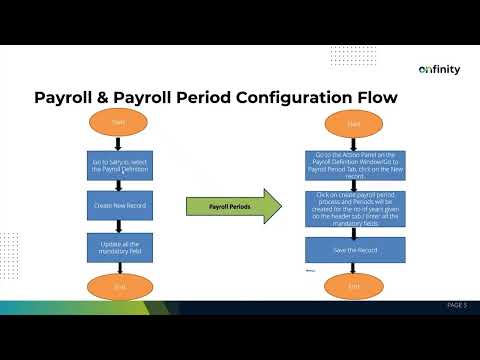
HR settings in Onfinity ERP serve as the control center for payroll calendars, income tax periods, leave entitlements, and consolidated expense invoicing. A single configuration screen reduces errors, enforces policy consistency, and supports multi-entity operations without duplicating effort.


Most mid-market finance teams hit the same wall with commercial ERP: standard workflows work fine, but customizations cost tens of thousands and take months. Open source .NET platforms eliminate vendor dependency—if your organization has the technical resources to manage the trade-off.


Custom ERP modules require a structured development environment to prevent code conflicts and deployment failures. Onfinity ERP’s partner kit organizes assembly management, area registration, and build automation to streamline module creation without disrupting core system operations.


Standard ERP screens handle master data well, but complex workflows often need more. Learn how custom page development in Onfinity ERP gives teams full control over layout, logic, and user experience without breaking system integrity.


Open source accounting removes licensing constraints but demands technical depth. This guide compares infrastructure costs, customization effort, and integration complexity to help you determine whether control justifies implementation overhead.


Proprietary ERP vendors extract increasing revenue through licensing escalations and forced upgrade cycles. Web-based open source ERP shifts control back to your finance team while cutting long-term costs by 30-40%. Understand when the trade-off makes sense for your organization and realistic implementation timelines.


SAP’s true cost extends far beyond licensing fees. Finance teams trapped in vendor lock-in are discovering that open source ERP delivers the same financial controls, faster month-end closes, and actual operational flexibility—without consultant dependency or unpredictable cost escalations.


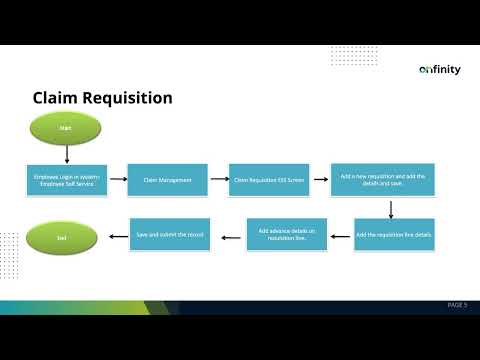
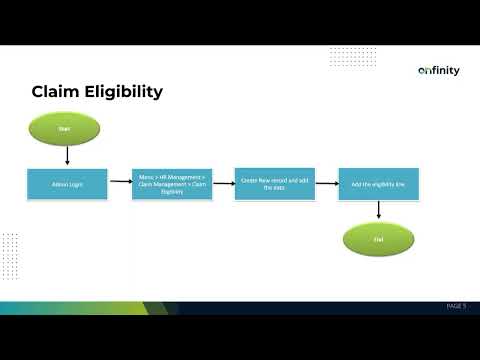
Finance teams manage employee expense claims across requisitions, approvals, payments, and reconciliation. See how Onfinity ERP structures these workflows with role-based access for employees, admins, and finance users.


Proprietary ERP vendors charge by the seat and lock you into their roadmap. Web-based open source ERP eliminates per-user licensing and lets you modify workflows without consulting fees. This guide shows what actually changes in your operations, realistic timelines, and how to evaluate whether the shift makes financial sense for your team.


Open source ERP eliminates vendor licensing but transfers responsibility for implementation, customization, and infrastructure to your team. Finance leaders need to understand where costs shift before committing to this model.


Finance teams choose open source .NET ERP to escape escalating licensing fees and regain control over financial data. This guide breaks down the real cost differences, governance advantages, and implementation challenges you’ll actually encounter moving from proprietary systems.


Finance teams managing leases across disconnected systems face compliance gaps and delayed month-end close. This article shows how structured lease accounting workflows—automated within your ERP—eliminate manual reconciliation, ensure IFRS 16 compliance by design, and give finance real-time visibility into total lease obligations.


Learn how to configure secure mobile access in Onfinity ERP using QR code login, two-factor authentication, and remote device management—giving field teams real-time data access while maintaining full administrative control.


Construction finance in India remains fragmented across sites, vendors, and spreadsheets—leaving finance teams unable to answer what a project actually costs right now. A structured ERP approach captures material, labour, and subcontractor costs at source, surfaces overruns before they escalate, and makes bid accuracy and margin protection possible.


Finance teams trapped in IT backlogs can reclaim control. Low code ERP customization lets process owners deploy workflow changes, compliance automations, and reporting adjustments without custom development. See how approval routing, statutory rules, and dashboards go live in days instead of quarters.


Manual product entry during order fulfillment slows warehouse operations and introduces errors. Onfinity ERP’s Inventory Count Form enables barcode scanning, file imports, and reusable carts to speed up delivery order processing while maintaining accuracy across material transfers, goods receipts, and inventory counts.


Finance teams spend thousands of hours monthly reconciling data and hunting exceptions. AI-powered ERP systems shift this reactive work to continuous anomaly detection, letting your team focus on strategic problem-solving instead of mechanical validation.


Standalone accounting software creates the same silos it promises to solve. Finance teams that integrate accounting directly into their ERP—rather than bolting it on—eliminate month-end reconciliation chaos and gain real-time visibility into what’s actually happening in the business.