
When an asset’s recoverable value drops below its carrying amount, financial statements can misrepresent actual worth. Learn how ERP systems handle asset impairment transactions, automatically recalculate depreciation, and generate real-time accounting entries.
Category: Uncategorized
Finance and operations teams lose time switching between screens to gather full context on transactions. ERP tab panel customization solves this by surfacing related data dynamically within a single view, reducing approval cycles and improving accuracy without heavy development.
Finance teams still rely on checks for many vendor payments, but disconnected tools create delays and errors. Onfinity ERP unifies vendor selection, approval routing, check printing, and reconciliation in one system—eliminating manual handoffs and improving visibility.
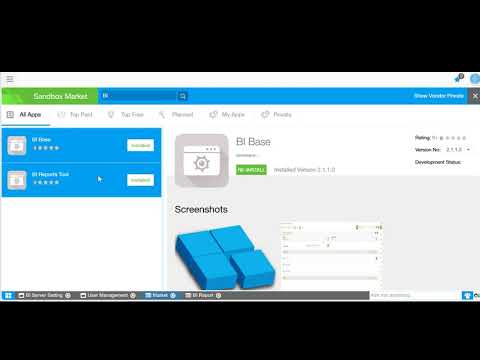
Connecting business intelligence platforms to your ERP eliminates the need to export data for reporting. Learn how Onfinity ERP integrates with Yellowfin BI to deliver role-based analytics directly within your operating environment.
Most finance leaders know SAP’s sticker shock but can’t articulate where money actually goes. This breakdown deconstructs hidden costs—implementation partners, maintenance fees, customisation debt, and infrastructure scaling—and shows how transparent ERP pricing structures create measurable savings over ten years.
Onfinity ERP’s document management system reports provide full visibility into folder actions, document edits, digital signatures, and cross-team sharing. Learn how automated audit trails ensure compliance, version control, and accountability across your organization.
SAP’s per-user licensing model compounds faster than budgets account for. This analysis walks finance leaders through the real 5-year cost gap: license fees, implementation burden, support cycles, and the hidden operational costs most vendors exclude from comparisons.
Finance leaders paying £3.5–5M over five years for SAP often don’t realize they’re funding excess modules and vendor lock-in. This breakdown compares actual costs across licensing, implementation, and ongoing support—and shows when switching to a transparent alternative makes financial sense.

Learn how integrated document management systems organize invoices, contracts, and employee records inside ERP platforms—eliminating manual file handling and retrieval delays across departments.
A unified HR settings screen in Onfinity ERP reduces setup complexity by centralizing payroll calendars, leave entitlements, and recruitment workflows—ensuring consistency across modules and eliminating duplicate configuration effort.

Enterprise ERP systems succeed or fail based on database reliability, not feature lists. PostgreSQL-backed platforms remove vendor lock-in and licensing escalation while giving finance teams transparent control over data architecture that proprietary systems resist.

Finance leaders in regulated industries face a genuine tension between speed and control. Public cloud ERP delivers rapid implementation but surrenders visibility into data residency and audit trails. Private cloud puts compliance evidence back in your hands—at the cost of operational overhead. This comparison maps real trade-offs so your team can align deployment architecture with audit and regulatory requirements.

Equipment failures trigger expensive scrambles: emergency technician calls, expedited parts, production delays. AI-driven predictive maintenance shifts maintenance from reactive crisis management to scheduled interventions—but only when your ERP connects monitoring data, scheduling, inventory, and production planning.
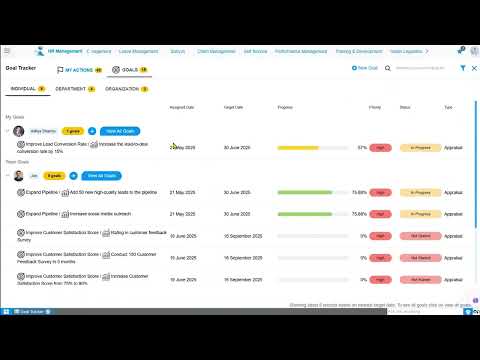
Managing employee goals in one tool, tracking milestones in spreadsheets, and running appraisals in another system creates visibility gaps and coordination overhead. Onfinity ERP unifies goal tracking, milestone reviews, and appraisal workflows in a single platform designed for enterprise teams.

Manual invoice matching consumes 30-40% of AP staff time chasing exceptions across disconnected systems. AI-based 3-way matching automatically validates invoices against POs and receipts, flagging only genuine discrepancies while moving matched invoices straight to payment.
Learn how Onfinity ERP consolidates goal tracking, milestone reviews, and appraisal workflows into a single system—eliminating disconnected spreadsheets and manual performance evaluations.
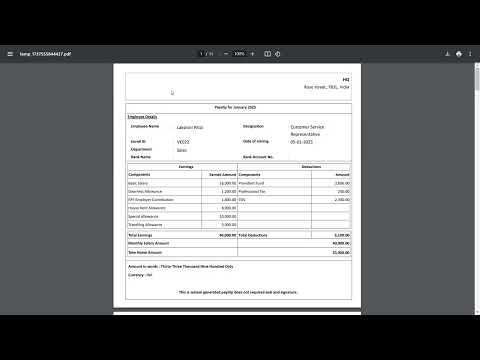
When attendance, leave, and payroll systems operate in silos, finance teams spend hours reconciling data and correcting errors. Onfinity ERP connects these workflows natively, enabling real-time payroll runs with built-in compliance for India, Malaysia, and beyond.
Learn how modern ERP payment forms handle vendor check payments, multicurrency transactions, partial payments, and consolidated processing—all from a single interface that reduces errors and speeds up AP operations.

Large infrastructure projects generate cost data continuously, but manual tracking keeps finance teams weeks behind actual spend. AI-driven costing ingests live project data—timesheets, invoices, site logs—and surfaces variances instantly, shifting finance from transaction processing to strategic cost control.

Discrete manufacturers lose 2–4% of material spend when BOQ data and WIP consumption live in separate systems. Real-time nested BOQ tracking tied to actual shop-floor consumption prevents this margin leakage by surfacing over-consumption, rework, and scrap at the assembly tier where they occur—not at month-end close.