Finance teams processing multiple adjustment entries during month-end close face bottlenecks when handling journals individually. GL journal batch functionality in Onfinity ERP groups related entries, validates totals before posting, and maintains clear audit trails across multiple periods.
Category: Uncategorized
Finance teams often struggle with rigid report templates that don’t reflect how organizations track performance across departments, projects, or product lines. Onfinity ERP’s configurable financial reporting framework connects directly to your chart of accounts and dimensional structure, enabling flexible period comparisons and filtered analysis without manual consolidation.
Finance teams waste hours reconciling vendor checks across disconnected screens. Modern ERP payment forms consolidate invoice selection, check printing, and allocation into a single workflow that updates balances in real time.
Residential service companies lose visibility when tracking lives in separate GPS apps instead of core workflows. Real-time tracking that connects dispatch, field operations, and finance eliminates two-hour arrival windows, manual billing reconciliation, and customer frustration—but only when it’s integrated into how you actually work.
Most residential service businesses still coordinate technicians through phone calls and guesswork. Real-time tracking eliminates that friction—but only when it feeds into dispatch, scheduling, and invoicing decisions. Learn how to implement tracking that operations teams actually adopt.
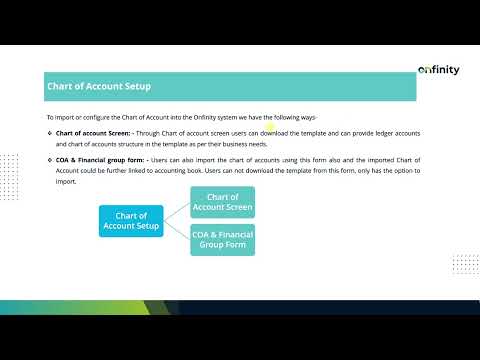
Finance teams configuring a new ERP or migrating GL structures face a choice between template-based import and financial group forms. Understanding how each method handles parent-child hierarchies, account properties, and multi-organization access determines setup efficiency and reporting alignment.
When field crews are scattered across hundreds of kilometres during infrastructure rollouts, labour data fragments across dispatch software, email timesheets, and payroll systems. Finance teams discover cost overruns weeks after they’re locked into timesheets. This breakdown happens predictably when visibility doesn’t span from crew assignment to P&L impact.
Hard-coded ERP systems trap you in expensive development cycles for simple process changes. Model-driven architecture separates business logic from code, letting finance and operations teams adjust workflows without developer intervention—cutting months from your change timeline and stabilizing total cost of ownership.
Most ERPs flatten nested assembly structures, forcing planners to coordinate sub-assemblies manually and finance to allocate costs across tiers at month-end. Proper multi-level BOQ structure—native to the system—cascades demand through assembly levels, enforces lead-time dependencies, and rolls costs automatically. This shifts your operation from reactive firefighting to predictable planning.
Finance teams managing vendor checks often juggle multiple screens, manual reconciliations, and fragmented workflows. A unified payment interface can consolidate invoice payments, partial allocations, and multicurrency transactions into one streamlined process.